When a Role Ends: What You Can Carry Into the Next Chapter

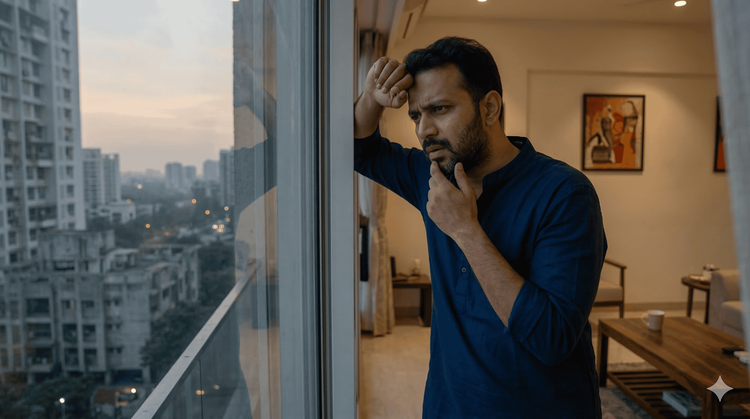
Losing a job, a business, a sport, or a familiar family role can disturb more than your schedule. It can raise a difficult question: if this was how I understood myself, who am I now?
The loss is real. So is the possibility that your identity contains more than the role that ended.
Separate the field from the capacities you developed
A craft may have taught patience, practice, collaboration, judgement, or the willingness to begin badly and improve. Some of those capacities may remain useful in another setting.
Transfer is not automatic. Being skilled in business does not make someone a ready musician, and discipline alone does not overcome every barrier. A new field requires its own knowledge, opportunities, support, and time.
Still, you may be starting with more experience than the feeling of total loss suggests.
Let grief have a place
You do not have to call disruption a gift before you are ready. Injury, unemployment, and unwanted change can involve financial pressure, disability, and genuine loss of community.
Struggling after a role ends does not mean you have a weak identity. It may mean something important has ended and you need support while you adapt.
Make room for practical needs: income, care, treatment, routine, and connection. Reinvention is easier to consider when immediate pressures are being addressed.
Build an inventory that can travel
Write down three things:
- What the role gave you. Include meaning, friendship, income, or a sense of competence.
- What you developed within it. Use examples rather than grand descriptions: training consistently, negotiating a problem, teaching a newcomer.
- What you need to learn next. Identify a realistic skill, relationship, or opportunity.
Then choose a small experiment. Take a beginner's lesson, speak to someone in the field, or try a limited project. You do not need to declare a new lifelong identity before learning whether it fits.
Family roles can change too
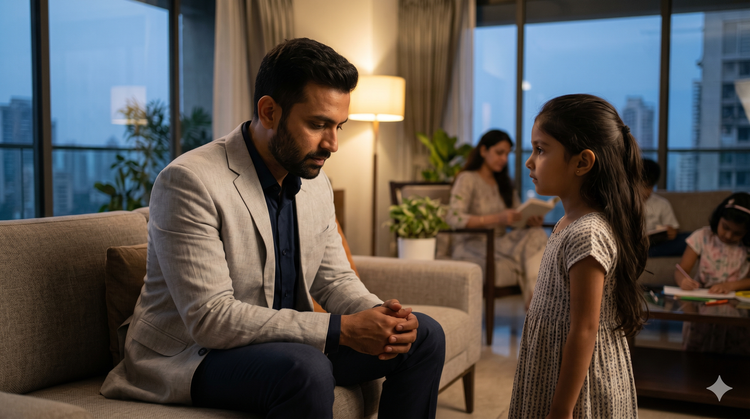
A child becoming independent can leave a father unsure where he belongs. The relationship can continue through respect, interest, and availability, even when authority and daily care take a different form.
The question is not only what you used to do. It is what matters to you, what remains possible, and what support you need to begin again.
Frequently asked questions
Will my skills transfer to a new career?
Some may, but you need to assess the new field and its requirements. Test assumptions through feedback and small projects.
Does feeling lost mean I depended too much on a title?
Not necessarily. Major change can unsettle anyone. Grief and practical pressure deserve care rather than judgement.
How do I start without knowing my new purpose?
Stabilise immediate needs, identify one interest or usable skill, and run a small experiment. Purpose can develop through experience.


Member discussion